
Reading time: 12 minutes
Last updated: May 2026
Reviewed for accuracy against peer-reviewed literature and Singapore dietary guidelines
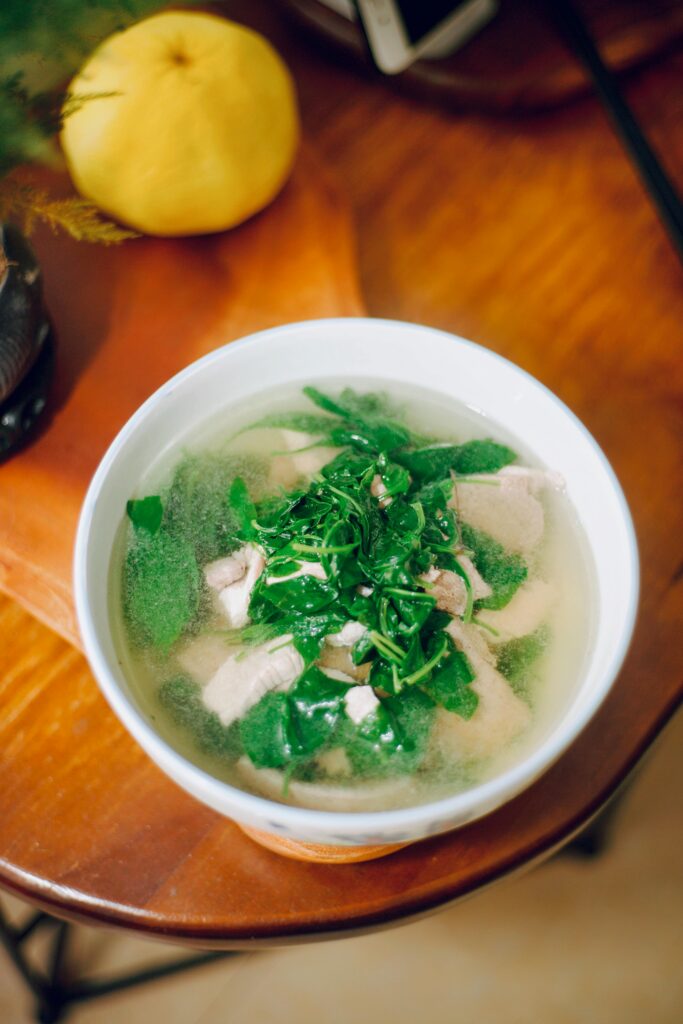
Introduction: Why What You Eat After Birth Matters More Than You Think
You have just given birth — one of the most physically demanding experiences the human body can endure. Your body has lost blood, expended enormous energy, and now faces the dual challenge of healing its tissues while potentially producing breast milk for your newborn. What you eat in the weeks that follow is not a cultural formality — it is a medical necessity.
In Malay and Muslim tradition, this critical recovery window is known as pantang (also written as berpantang) — a structured confinement period lasting 40 to 44 days, during which a new mother focuses on rest, nourishment, and recovery, guided by centuries of accumulated cultural wisdom.
But in 2026, we do not have to choose between tradition and science. The best halal confinement food in Singapore today is exactly where the two meet.
This guide breaks down — with reference to clinical research and established nutrition science — exactly what Muslim mums in Singapore should eat during pantang, why it works, what to avoid, and where to find trusted halal confinement food delivery services.
What Is Pantang and Why Does It Last 44 Days?
The Malay postpartum confinement practice, pantang, is a structured recovery period traditionally observed for 40 to 44 days after childbirth, though some mothers and families observe longer periods of 60 or even 100 days (GlobinMed, Traditional Malay Postnatal Care).
The number 44 is not arbitrary. Medically, the postpartum period is defined as the first six weeks (approximately 42 days) following delivery — a timeline recognised globally as the period during which the uterus returns to its pre-pregnancy size, hormonal levels stabilise, and wound healing occurs. This aligns almost precisely with the Malay tradition.
During pantang, a new mum is guided by several core principles:
- Rest and minimal strenuous activity to allow the body to heal
- Warming treatments such as hot compresses (bertungku), herbal baths, and abdominal binding (berbengkung/berbarut)
- Traditional massage (urut Melayu) to improve circulation and relieve muscle tension
- A nourishing, warming diet rich in specific herbs, spices, and proteins
- Avoidance of “cold” or “wind-producing” foods believed in traditional medicine to slow recovery
A note for modern mums: Not all traditional restrictions have been validated by modern research. Practices like severely limiting water intake, for example, are not supported medically and may be harmful — particularly in Singapore’s tropical climate. Always consult your obstetrician or midwife before adopting any extreme dietary restriction.
Why Nutrition Is Non-Negotiable After Childbirth
The postpartum period is one of the most nutritionally demanding phases of a woman’s life. According to UNICEF’s Maternal Nutrition Programming Guidance, breastfeeding mothers require an additional 640 kilocalories per day during the first six months postpartum compared to non-lactating women — significantly more than the 300 extra calories recommended during pregnancy itself.
The body’s increased demands after birth include:
| Nutrient | Why You Need More | Key Food Sources (Halal) |
|---|---|---|
| Protein | Tissue repair, milk production, muscle recovery | Chicken, fish (ikan haruan, salmon), eggs, lentils |
| Iron | Replenish blood lost during delivery | Red meat, chicken liver, dark leafy greens, red dates |
| Calcium | Bone density, milk production | Dairy (milk, yoghurt), sardines, tofu |
| Omega-3 Fatty Acids | Infant brain development via breast milk | Salmon, mackerel, anchovies, chia seeds |
| Vitamin D | Immune support, bone health | Fortified dairy, egg yolk, sunlight exposure |
| Folate | Cellular repair | Dark leafy vegetables, lentils |
Research published in the Annals of Nutrition and Metabolism (Karger, 2025) confirms that anemia and deficiencies in Vitamin D, iodine, and iron are among the most common nutritional concerns in the postpartum period. The World Health Organisation (WHO) recommends iron and 400 μg/day of folic acid during weeks six to twelve postpartum to reduce the risk of anaemia.
The Science Behind Traditional Malay Confinement Foods
What makes halal Malay confinement food particularly powerful is that many of its traditional staples — long prescribed by bidan (traditional midwives) and elders — are now supported by peer-reviewed scientific evidence.
1. Ikan Haruan (Snakehead Fish) — The Wound-Healing Superfood
If there is one food most synonymous with Malay postpartum recovery, it is ikan haruan (Channa striatus, or snakehead fish). Traditionally consumed by Malay and Chinese communities in Southeast Asia to promote wound healing after delivery or surgery, its medicinal reputation is now backed by science.
A study published in Evidence-Based Complementary and Alternative Medicine (2015) examined the effects of Channa striatus extract on post-caesarean section women and found it possessed anti-inflammatory, antimicrobial, antinociceptive, and anticancer properties (PMC, 2015). Research published in IntechOpen further confirmed that ikan haruan contains all the essential amino acids required for wound healing — particularly glycine, the most important amino acid in human skin collagen synthesis (IntechOpen, 2021).
A prospective randomised controlled trial published in PMC (Snakehead Consumption Enhances Wound Healing?, 2018) found that Channa striatus extract spray significantly improved cosmetic wound outcomes compared to placebo in post-surgical patients.
How to eat it: As a clear soup (sup ikan haruan), steamed, or as green papaya soup (sup pepaya ikan haruan) — all staples in Malay confinement menus.
2. Kunyit (Turmeric) — Nature’s Anti-Inflammatory
Turmeric (Curcuma longa) is a cornerstone of Malay confinement cooking, and for excellent scientific reason. Its active compound, curcumin, is one of the most extensively studied natural anti-inflammatory agents in the world.
A study published in the Journal of Medical Chemistry Sciences (2024) found that turmeric was proven to eliminate redness, reduce edema, and accelerate perineal wound healing in postpartum women, with statistically significant results (p < 0.05). The mechanism: curcumin inhibits COX-2 and NF-kB enzymes, which play a central role in the inflammation cascade.
A randomised controlled trial published in PMC (2024) evaluated the combined effect of curcumin (from turmeric), ginger, and black pepper on postpartum depression, finding that the intervention group showed a significantly decreased mean depression score at both four-week and eight-week follow-up compared to the control group (PMC, 2024).
Beyond depression, curcumin has also demonstrated galactagogue properties — meaning it may support breast milk production — and can help with common postpartum digestive complaints such as bloating, constipation, and acid reflux.
How to eat it: Kunyit chicken (ayam masak kunyit), turmeric fish curry, golden milk (susu kunyit), and as a spice in virtually every Malay confinement dish.
Tip: Pair turmeric with black pepper to enhance curcumin absorption by up to 2,000% (a well-established pharmacokinetic finding).
3. Halia (Ginger) — The Warming Healer
Ginger is another non-negotiable in the Malay confinement pantry, consumed in teas, soups, and curries throughout the pantang period. A landmark study published in Molecules (2022) in PubMed/PMC demonstrated synergistic anti-inflammatory activity when ginger and turmeric are combined, with the active compounds 6-shogaol, 10-shogaol, and curcumin showing the greatest potency in reducing inflammatory mediators (PMC, 2022).
Ginger’s benefits for new mothers include:
- Reducing postpartum pain by suppressing prostaglandin and leukotriene synthesis
- Stimulating digestion and relieving nausea, constipation, and bloating — common complaints after labour
- Warming the body to support circulation, especially relevant after blood loss during delivery
- Mood support — ginger’s anti-inflammatory effects may help modulate the neuroinflammatory pathways associated with postpartum depression
How to eat it: Ginger soup (sup halia), ginger tea, stir-fried dishes, and as a key ingredient in jamu herbal drinks.
4. Halba (Fenugreek) — Breastmilk’s Best Friend
For nursing mothers, fenugreek (halba) is arguably the most important herb in the confinement pantry. Used for millennia as a galactagogue (a substance that promotes milk production), fenugreek’s efficacy is now supported by clinical trials.
A network meta-analysis published in PubMed (2017) analysed five studies with 122 participants and found that fenugreek significantly increased breast milk production [WMD 17.79, CI 11.71–23.88] compared to placebo (PubMed, 2017). A study published in ScienceDirect (2020) found that mothers given 7.5g of soaked fenugreek water daily for seven days showed measurable improvement in breastmilk sufficiency signs versus the control group.
Research also suggests fenugreek stimulates sweat glands, which are embryologically similar to mammary glands, thereby potentially enhancing milk secretion.
Note: Women with insulin-dependent diabetes should consult a doctor before using fenugreek, as it may affect blood sugar levels.
How to eat it: Halba seeds in soups and curries, fenugreek tea (air halba), or as a herbal drink.
5. Green Papaya (Pepaya Muda) — The Lactation Booster
Green unripe papaya has been used across Southeast Asian cultures to stimulate milk production, and it features prominently in Malay confinement soups — particularly when paired with ikan haruan.
The papaya enzyme papain aids protein digestion, helping the body absorb the high amounts of protein needed postpartum more efficiently. Green papaya also delivers Vitamin C, folate, and Vitamin A — micronutrients critical for maternal immune recovery and infant development through breast milk.
How to eat it: Green papaya soup with ikan haruan or chicken is the classic Malay confinement preparation — warming, protein-rich, and deeply nourishing.
6. Red Dates (Kurma Merah) — The Iron-Rich Tonic
Red dates (Ziziphus jujuba) are a staple in both Malay and Chinese confinement traditions, typically brewed as a tea or added to soups. They are rich in iron, Vitamin C, and antioxidants — exactly what a new mother needs to replenish blood stores after delivery.
The Vitamin C content in red dates also enhances non-haeme iron absorption from plant sources, making red date tea a smart pairing with iron-rich foods. Research has also noted red dates’ role in supporting energy levels and reducing fatigue — an obvious benefit for sleep-deprived new mums.
How to consume: As air kurma (red date tea), often brewed with longan, goji berries, and ginger.
Foods to Eat During Pantang: A Quick Reference
Here is a consolidated list of foods to prioritise during your confinement period, all of which are halal and supported by tradition and/or science:
Encouraged Foods
- Lean proteins: Chicken (especially kampong chicken), ikan haruan, salmon, mackerel, eggs
- Warming spices: Turmeric, ginger, black pepper, lemongrass, galangal, cinnamon
- Herbal staples: Fenugreek (halba), moringa (kelor), torch ginger (bunga kantan)
- Soups and broths: Bone broth, herbal chicken soup, green papaya soup, red date soup
- Carbohydrates: Brown rice, warm rice porridge (bubur), oats
- Vegetables: Spinach, sweet potato leaves (kangkung), long beans
- Fruits: Red dates, longans, papayas (cooked)
- Herbal drinks: Red date tea, fenugreek water (air halba), jamu herbal drinks
- Dairy: Full-fat milk, yoghurt (for calcium)
Foods to Limit or Avoid
Traditional Malay pantang advises against several food categories, many of which align with sensible postpartum dietary guidance:
Foods to Limit
- “Cold” or “cooling” foods: Cucumber, coconut water, watermelon — traditionally believed to slow recovery by introducing cold energy into the body
- Raw or undercooked foods: Sushi, salads, runny eggs — risk of foodborne illness when the immune system is still recovering
- Sour or acidic foods: Tamarind-heavy dishes, citrus juice — traditionally associated with wound irritation in Malay belief
- Processed and high-sodium foods: Instant noodles, canned goods — can cause water retention and are nutritionally poor
- Seafood high in mercury: Swordfish, king mackerel — can pass to baby through breast milk
- Caffeine: Limit to under 200mg/day while breastfeeding (as per international guidance)
- Alcohol: Strictly haram and medically contraindicated during breastfeeding
Medical note: While many food avoidances during pantang are rooted in cultural belief rather than clinical evidence, focusing on what to eat (nutrient-dense, warming, protein-rich foods) is more important than overly restricting what you avoid. If a restriction causes you nutritional stress, speak to your doctor or a registered dietitian.
Halal Certification: What to Look for in Confinement Food
For Muslim mothers in Singapore, ensuring food is halal is not merely a preference — it is a religious obligation. When choosing a confinement food provider, look for the following:
- MUIS Halal Certification — The Majlis Ugama Islam Singapura (MUIS) is Singapore’s official Islamic authority. A MUIS-certified kitchen guarantees halal food preparation standards are met
- SFA-Licensed Kitchen — The Singapore Food Agency (SFA) licenses commercial kitchens to ensure food safety. A halal confinement provider should ideally hold both MUIS halal certification and an SFA licence
- Muslim-owned business — Many families prefer Muslim-owned providers for additional assurance of halal integrity in both ingredients and preparation
- Ingredient transparency — A trustworthy provider should be able to tell you exactly what herbs, spices, and proteins go into every meal
Practical Tips for Planning Your Halal Confinement Meals in Singapore
- Book early — Popular halal confinement food providers in Singapore can be booked out months in advance, especially around festive periods. Aim to secure your preferred service by your second trimester
- Request a trial meal — Many services offer trial meals (from around $35 per meal) so you can assess portion sizes, flavour, and suitability before committing to a full 30- or 44-day package
- Opt for twice-daily delivery — Look for services that deliver both lunch and dinner to ensure consistent, balanced nutrition throughout the day
- Customise for C-section recovery — If you are recovering from a caesarean section, inform your provider. Good halal confinement caterers will adjust your menu to include more wound-healing foods (ikan haruan, turmeric) and reduce harder-to-digest ingredients
- Don’t neglect hydration — Despite traditional advice to limit cold drinks, adequate hydration is essential — especially if you are breastfeeding. Warm water, herbal teas, and broths all count
- Combine food delivery with postnatal massage — Holistic recovery involves more than food. Pair your confinement meals with urut Melayu postnatal massage for comprehensive healing
Where to Find Trusted Halal Confinement Food in Singapore
Finding a provider you can trust is the first challenge for any new mum. Muslim Maternity SG maintains a curated, searchable directory of verified halal confinement food providers in Singapore, including:
- Ummu Fazwill SG Confinement Meals — A Muslim-owned, SFA-licensed kitchen delivering twice daily, seven days a week. Their menu blends traditional Malay classics with modern preparations, including dishes like Green Papaya Ikan Haruan Soup and Oven-Baked Salmon with Truffle Butter, alongside lactation-friendly desserts and red date tea. (30-day double plan from $1,550)
- Ukashah’s Confinement Meals — Run by a husband-and-wife duo from a SFA-licensed kitchen, offering creative halal confinement menus that combine Malay tradition with modern global flavours. Trial meals from $35.
Find more verified halal confinement food providers near you at muslimmaternitysg.com
Frequently Asked Questions
How long should I eat confinement food? The traditional Malay pantang period is 40–44 days. Most confinement food packages in Singapore offer 28-day or 30-day plans. Nutritionally, maintaining a high-protein, iron-rich diet for at least the first six weeks postpartum is recommended regardless of cultural tradition.
Can I eat confinement food if I had a C-section? Yes — and arguably even more so. C-section recovery involves additional surgical wound healing on top of standard postpartum recovery. Prioritise ikan haruan, turmeric, and protein-rich foods, and consult your provider about C-section-specific meal adjustments.
Is confinement food safe while breastfeeding? The vast majority of traditional Malay confinement foods are safe and beneficial during breastfeeding. Fenugreek, turmeric, and ginger can support milk production and reduce inflammation. Avoid high-mercury seafood and limit caffeine. Always check with your doctor if you are on postpartum medication.
Do I need to follow all the traditional pantang food restrictions? No. While many traditional dietary guidelines are sensible, some (like severely limiting fluids) are not backed by medical evidence and may be harmful. Focus on eating nutrient-dense, warming, halal foods rather than overly restricting your diet.
How much does halal confinement food delivery cost in Singapore? Halal confinement food delivery in Singapore typically ranges from $25–$36 per meal for double meal (lunch and dinner) packages. A full 28-to-30-day double package typically costs between $1,400 and $2,000 depending on the provider and menu.
Conclusion: Nourish Your Body, Honour Your Tradition
The 44-day pantang period is not an outdated ritual — it is an evidence-informed, culturally rich framework for postpartum recovery that aligns remarkably well with modern nutritional science. Ikan haruan heals wounds. Turmeric fights inflammation. Fenugreek supports milk production. Ginger aids digestion and mood. These are not old wives’ tales — they are truths that science is now catching up to confirm.
For Muslim mothers in Singapore, the challenge is finding halal confinement food that is nutritious, certified, and convenient without compromising on flavour or faith. That is exactly what Muslim Maternity SG is here to help with.
👉 Browse Trusted Halal Confinement Food Providers in Singapore →
References & Further Reading
- UNICEF. Maternal Nutrition Programming Guidance. unicef.org. 2023.
- Karger Publishers. Nutrition for Optimal Lactation. Annals of Nutrition and Metabolism. 2025. karger.com
- GlobinMed. Traditional Malay Postnatal Care (Tradisi Pantang Wanita Melayu). globinmed.com. 2025.
- Ab Wahab SZ et al. The Effect of Channa striatus (Haruan) Extract on Pain and Wound Healing of Post-Lower Segment Caesarean Section Women. Evidence-Based Complementary and Alternative Medicine. 2015. PMC4458554.
- PMC. Snakehead Consumption Enhances Wound Healing? From Tradition to Modern Clinical Practice: A Prospective Randomized Controlled Trial. PMC6261081. 2018.
- IntechOpen. Haruan Extract (Channa striatus) as an Effective Mediator in Promoting Wound Healing. 2021.
- Journal of Medical Chemistry Sciences. The Effect of Herbal Drinks (Moringa, Turmeric, Lemongrass) on Uterine Involution in Post-Partum Women. 2024.
- PMC. The Effect of Curcumax on Postpartum Women’s Depression: A Randomized Controlled Trial. PMC11420044. 2024.
- PMC. Synergistic Anti-Inflammatory Activity of Ginger and Turmeric Extracts. Molecules. PMC9229778. 2022.
- PubMed. Effectiveness of Fenugreek as a Galactagogue: A Network Meta-Analysis. 29193352. 2017.
- ScienceDirect. Effect of Fenugreek on Breast Milk Production and Weight Gain among Infants in the First Week of Life. 2020.
- PMC. Protein Requirements of Healthy Lactating Women Are Higher Than the Current Recommendations. PMC7257931. 2020.
- SHS Conferences. Postnatal Care Practices among the Malays, Chinese and Indians: A Comparison. 2018.
- WHO. Postpartum Care Guidelines. who.int.
- Motherhood.com.sg. Traditional Confinement Practices: Customs, Diet, and Modern Perspective. 2026.
This article is written for informational purposes only and does not constitute medical advice. Always consult a qualified healthcare professional — your obstetrician, midwife, or a registered dietitian — before making significant dietary changes during the postpartum period.
© 2026 Muslim Maternity SG. All rights reserved.